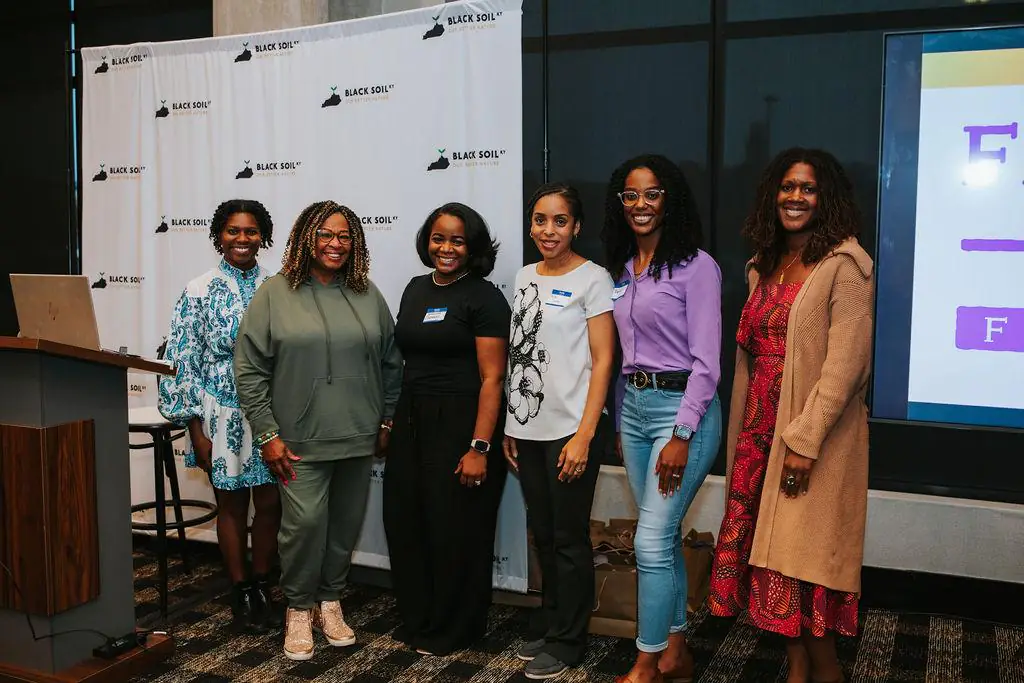

Karen Ehrens, U.S. Policy Manager, Alliance to End Hunger
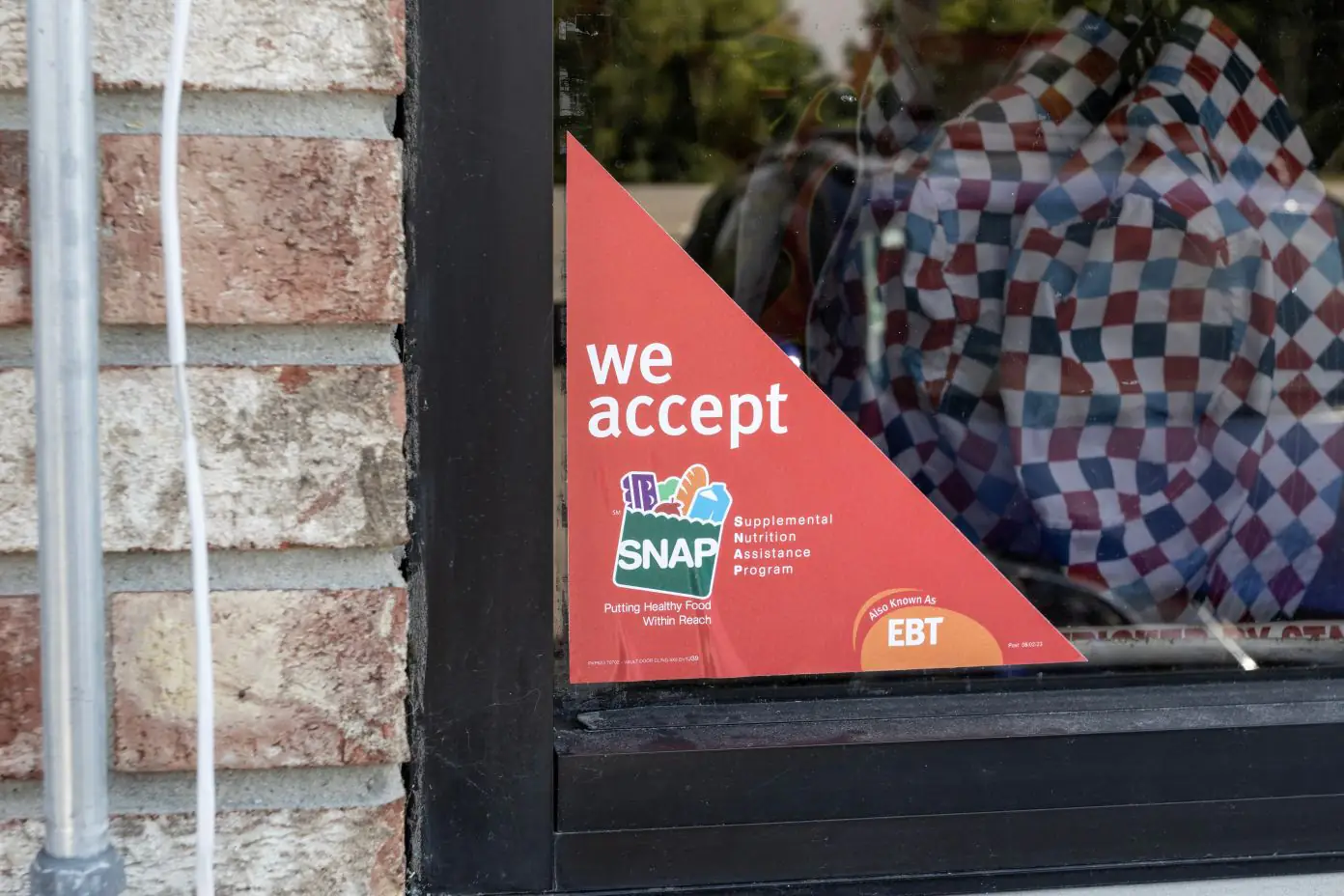
The immediate impacts of OBBBA are coming to light. Over 5 million people struggling to put food on the table lost access to SNAP, including an estimated 1.2 million children at a minimum. Cuts to the program, married with additional administrative burdens (red tape and paperwork), have impacted veterans, people struggling with homelessness, former foster youth, older Americans, legal immigrants, and children. The “downstream” effects of these cuts are profound; they impact the abilities of hungry individuals and families to access needed food, and also the abilities of states and communities to fill the gaps left by recent changes.

The impacts to children are most concerning, with a loss of SNAP simultaneously impacting both families, the first line of defense against child hunger and poverty, and schools. Traditionally, enrollment in SNAP can provide automatic enrollment (direct certification) in many schools’ free and reduced-price lunch and breakfast programs, which in turn provides access to the Summer EBT program, also known as SUN Bucks. These school and summer programs are an economic lifeline for many families struggling with high food prices and food insecurity at home.
 Beyond children and families themselves, school districts that serve a high proportion of families with low incomes could also see a drastic cut in resources to help students access food. Thanks to a non-pricing meal service option known as the Community Eligibility Provision (CEP), school districts with a high proportion of students enrolled in SNAP, TANF, Medicaid or other means-tested programs for families with low incomes are able to utilize a funding formula to provide meals without charge to every student. CEP has cut red tape for families, has increased efficiency and saved time for school district personnel, and has increased student participation in school meals programs. Decreases in SNAP participation resulted in fewer direct certifications, with school districts losing valuable resources to help students in families with fewer resources. In fact, it has already been reported that Miami-Dade County Public Schools, the third largest school district in the nation, has had to end their participation in CEP.
 The downstream effects of these changes are most felt by individual families, who will need to once again contend with more red tape, paperwork, form-filling, and stigma to ensure their children can eat at school with no charges or at a reduced price.
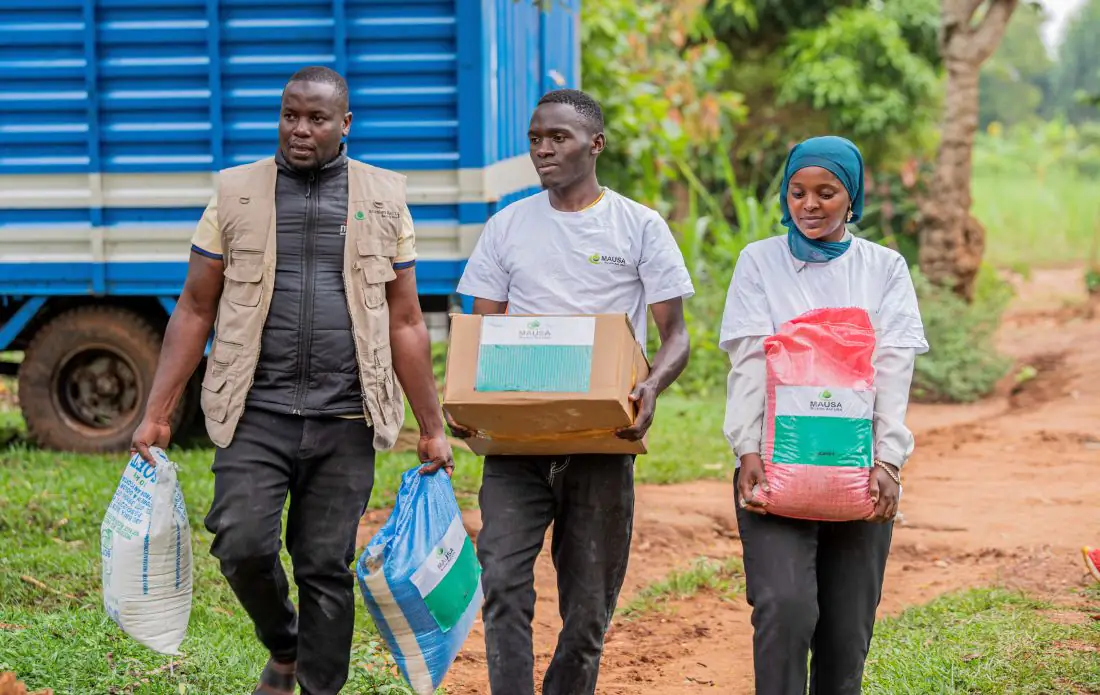
The dramatic reduction in resources at both the family and school level is straining local services, as well as community, county, and state governments. With paperwork requirements adding burdens to individuals, and new administrative and SNAP benefit costs and requirements put on states, communities will face both increasing food insecurity and decreased resources to address the problem. Food banks are reporting increases in demand; and with a decline in SNAP dollars being spent at local businesses and food producers, there is already evidence that food insecurity is spiraling upward in states and local communities.
With the big law in place, averting major harm to those in need of food assistance will require a reversal of the policies that have already caused damage over the past 14+ months. Until we can make these changes happen, there are steps that can be taken to stop the bleeding of support that our nation has provided to hungry people, their families, and their communities. First and foremost is to give states more time to improve their It is becoming clearer that all states should be provided with two years to implement the changes brought about by the OBBBA and the effects of the 2025 government shutdown. This would be welcome for both state legislatures as well as families in need of food assistance. Action needs to happen, or we risk that some states will need to drop SNAP altogether.
 There are also steps we can take to support the health and wellbeing of our children before they reach school. This includes making permanent flexibilities in the WIC program through the MODERN WIC Act/21st Century WIC Act and boosting access to fruits and vegetables. It also means supporting Head Start with its links to childcare food and health programs and referrals and other pre-K programs that are so essential to early childhood development.
Good nutrition with adequate food during the first years of a child’s life is essential as minds, bodies, and overall wellness take shape. Protecting food assistance for our children is not simply budget policy; it is the least we can do to make sure that the next generation of children gets the start that every one of them deserves.