
JACKSON, MISSISSIPPI (October 19, 2026) — The Alliance to End Hunger released a report today outlining community-led recommendations to eliminate hunger in Mississippi. The report, Toward a Hunger Free Mississippi: Findings and Recommendations from the May 2026 Conference, draws on insights from Mississippi nonprofits, businesses, universities, foundations, and leaders in public health and agriculture to chart a plan for eliminating hunger and malnutrition statewide.
The report builds on the Hunger Free Mississippi Conference, convened by the Alliance in May 2026, in Jackson, which brought together 121 attendees from 77 organizations across the state. Months of follow-up meetings and strategy sessions further shaped its findings. The conference was organized by the Alliance to End Hunger in partnership with the Center for Mississippi Food Systems, Mississippi Food Bank Collaborative, the National Policy Research Center at Alcorn State University, and the Southern Poverty Law Center.
“The work already underway in Mississippi is extraordinary, and the dedication to further action is inspiring,” said Eric Mitchell, president of the Alliance to End Hunger. “These past few months have given me real hope for achieving a hunger-free Mississippi. I am looking forward to continuing to work with our partners across the state to implement our collective vision and recommendations.”
The report finds that Mississippi’s unique history, culture, geography, and political landscape present both challenges and opportunities for advancing food and nutrition security. Key findings and recommendations include:
- SNAP and Federal Policy: Since Congress passed the One Big Beautiful Bill Act last year, more than 43,000 Mississippi residents have lost their SNAP benefits, and the state now faces an estimated $78.7 million a year in new benefit costs. The report calls for a clean two-year delay of state cost-sharing legislated by Congress, continued work by state policymakers to bring payment error rates below 6 percent, and restored “simplified reporting” for recipients.
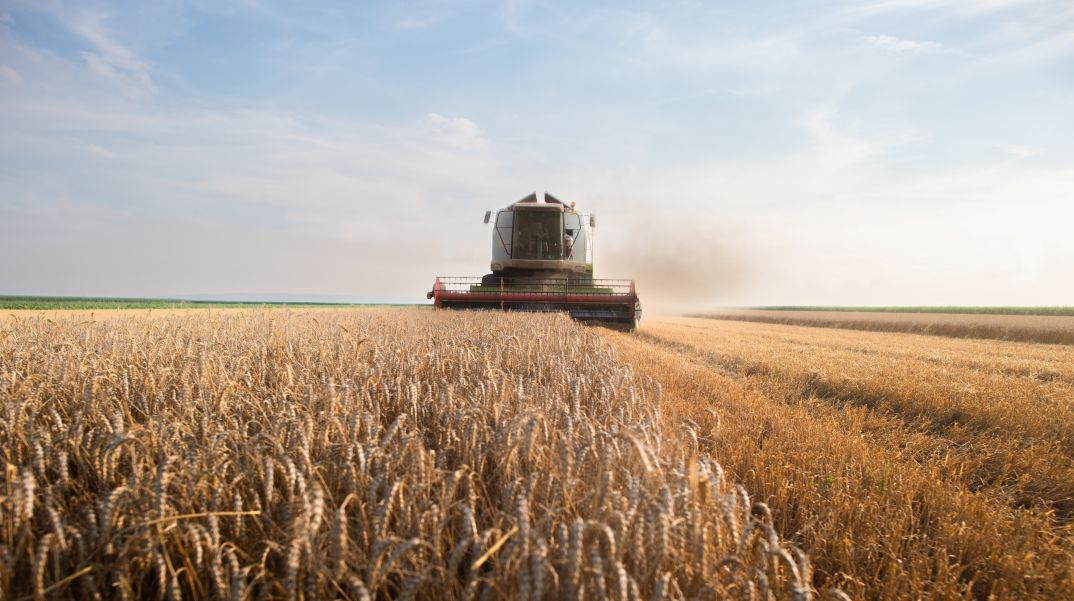
- Sustainable Agriculture: More than 30 percent of Mississippi is farmland, yet less than 1 percent of that land is used to grow fruits and vegetables, and the state imports an estimated 90 percent of its food. The report recommends stronger Farm Bill protections, specialty crop incentives for fruits and vegetables, and improved facilitation of market access for small and Black farmers.
- Economic Mobility: Mississippi’s poverty rate is about 17.8 percent and its median household income is 30 percent below the national figure. The report urges state lawmakers to enact a state Earned Income Tax Credit and Child Tax Credit, raise TANF cash assistance, and set a state minimum wage.
- Nutrition and “Food as Medicine”: About 1.2 million Mississippi adults have obesity and nearly 1 in 7 have diagnosed diabetes. The report calls for making nutrition a routine part of health care by expanding produce prescriptions and medically tailored meals, opting into Summer EBT, and covering food interventions through Medicaid.
The report also recommends the establishment of a “Hunger Free Community” coalition to coordinate activities and fully engage food system and nutrition programming across the state.