
Karen Ehrens, U.S. Policy Manager, Alliance to End Hunger
Nutrition is important every day and month, and March is a month to celebrate nutrition.
Nutrition: “The act or process of nourishing or being nourished” and “the sum of the processes by which an animal or plant takes in and utilizes food substances.” Other nutrition definitions include the science and study of how the body takes in and uses food.
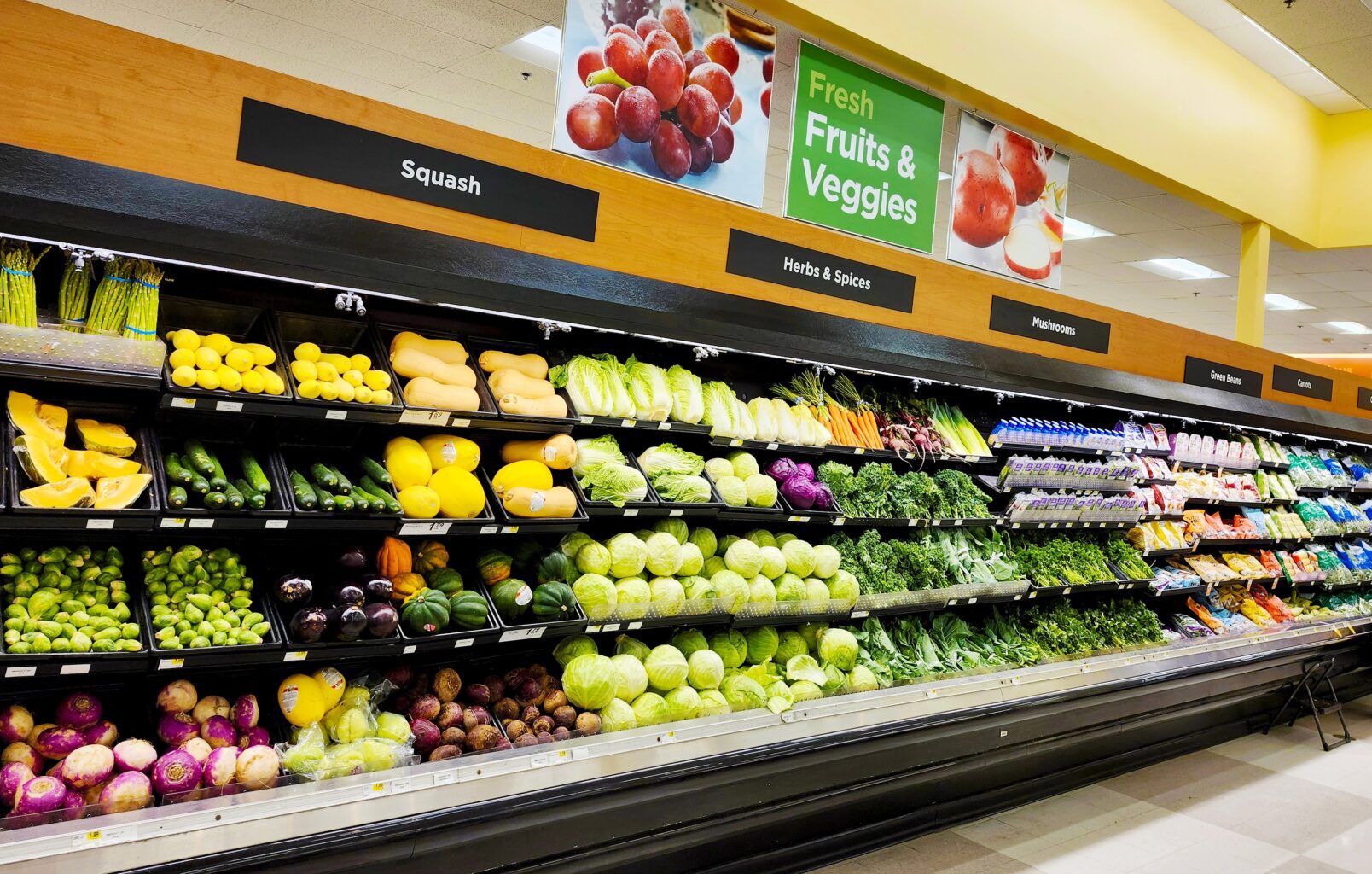
“Nutrition” comes to us as food. Every human needs food every day; it’s necessary for our survival. “Food, glorious food!” Food is culture, family, history, memory, connection in addition to providing the energy and nutrients every body needs to survive and thrive. The ability to choose foods to fit your needs, your culture, your family’s history, and your resources is…personal.
Getting enough food every day for a healthy life, also what we call “food security,” is so important that our nation has established federal programs available to people in every state to help make sure people have enough to eat. Nonprofit agencies and the private sector have also stepped up to help to make sure that all people in our nation can access food.
Nutrition Security: Nutrition security means that everyone has consistent and equitable access to healthy, safe, and affordable foods essential to optimal health and well-being.
 The importance of getting enough nutrients through food has become so important over the past decade that a new term, “nutrition security,” was developed to describe the condition of having access to healthy foods. It has become increasingly clear that many people in our nation are undernourished from eating plenty of food that is low in nutrients. For people to get good nutrition through food, the food needs to be available from a nearby source, accessible to purchase and prepare for oneself or at a place where food is prepared for many, affordable and available so that all people can access.
- Available – is healthful food available at a source nearby? How far away is the store, and are healthful options available in the corner or convenience store? Or food pantry, vending machine, community garden, farmers market, school, childcare center, at or near a workplace…are there healthful foods there?
- Accessible – do people have transportation to get to the store or to a summer food site? Can the food get to them through delivery? Do people have enough funds to purchase gas to drive to a store, pay for delivery, or the time to ride a bus or other public transportation? Do people have an oven or refrigerator or kitchen tools like a can opener and sharp knives to prepare food? Do people even have access to a kitchen in which to prepare or heat food?!
- Affordable – do people have enough resources to provide food for their families? Do they have access to a computer or cell phone or help to apply for food and nutrition programs?
- Equitable – do people of different backgrounds and in different geographies have the same access to foods in their neighborhoods and communities? Are there full-service grocery stores where people can find healthy foods? Do the majority of places in your community sell highly processed foods that are low in nutrients?
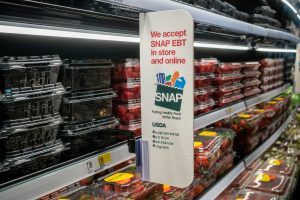 Food is not nutrition until it is eaten. So many factors influence our ability to acquire food, and the most basic factor is adequate resources. When people do not have the resources, there are federal nutrition programs to assist people meet the most basic need of food. Over the past year, multiple efforts have been undertaken through the federal government’s legislative and executive branches (the Administration and Congress) to remove, cut, scale back, limit choices and push responsibility for nutrition programs to states, to zero our the nation’s nutrition education program, SNAP-ED, and even to discontinue the survey and report that measures how many people are without basic food security in our nation.
 These efforts are steps backward in time and progress. For now, the Alliance to End Hunger continues to bring organizations, both private and public, together when there are so many forces working to pull us all apart. We will continue to connect good people, ideas, and efforts through this challenging time. And we will continue to keep as much of the federal efforts in place to ensure that no matter where one lives in our nation, help to access food can be found.
When the tides turn, and they will, we will still be here to build nutrition programs up again, better and stronger. Because access to enough healthy food every day is too important to ignore. Thank you to all who are in this noble effort now and who will join us in the future.
~~~
 Karen Ehrens, RDN, is the U.S. Policy Manager for the Alliance to End Hunger and is a Registered Dietitian Nutritionist who has worked throughout her career of over three decades to help connect people to one another and to food and health.