
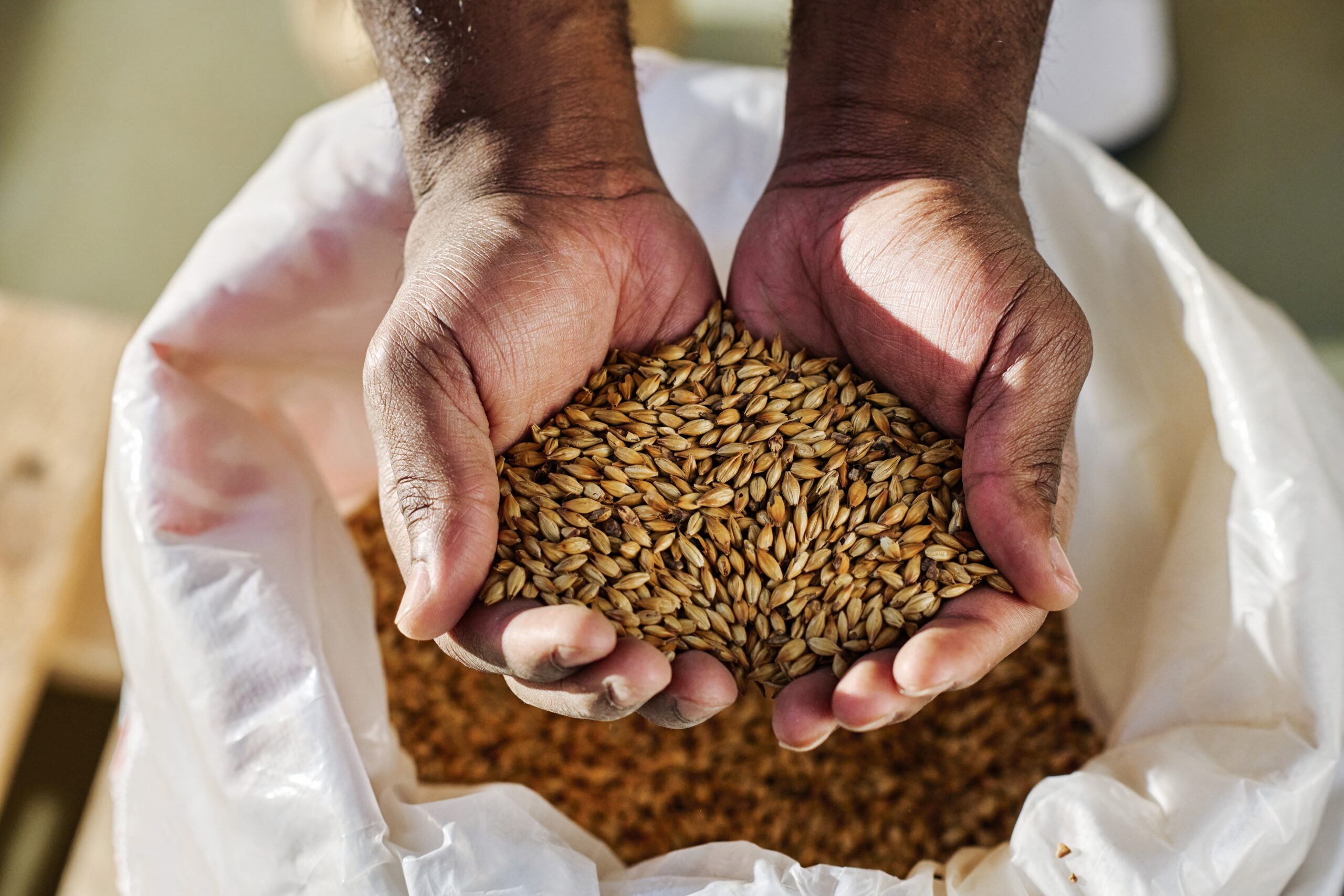
Communities and nations around the world are dealing with unprecedented challenges to accessing sufficient food for lives and livelihoods.
Food Insecurity Around the World
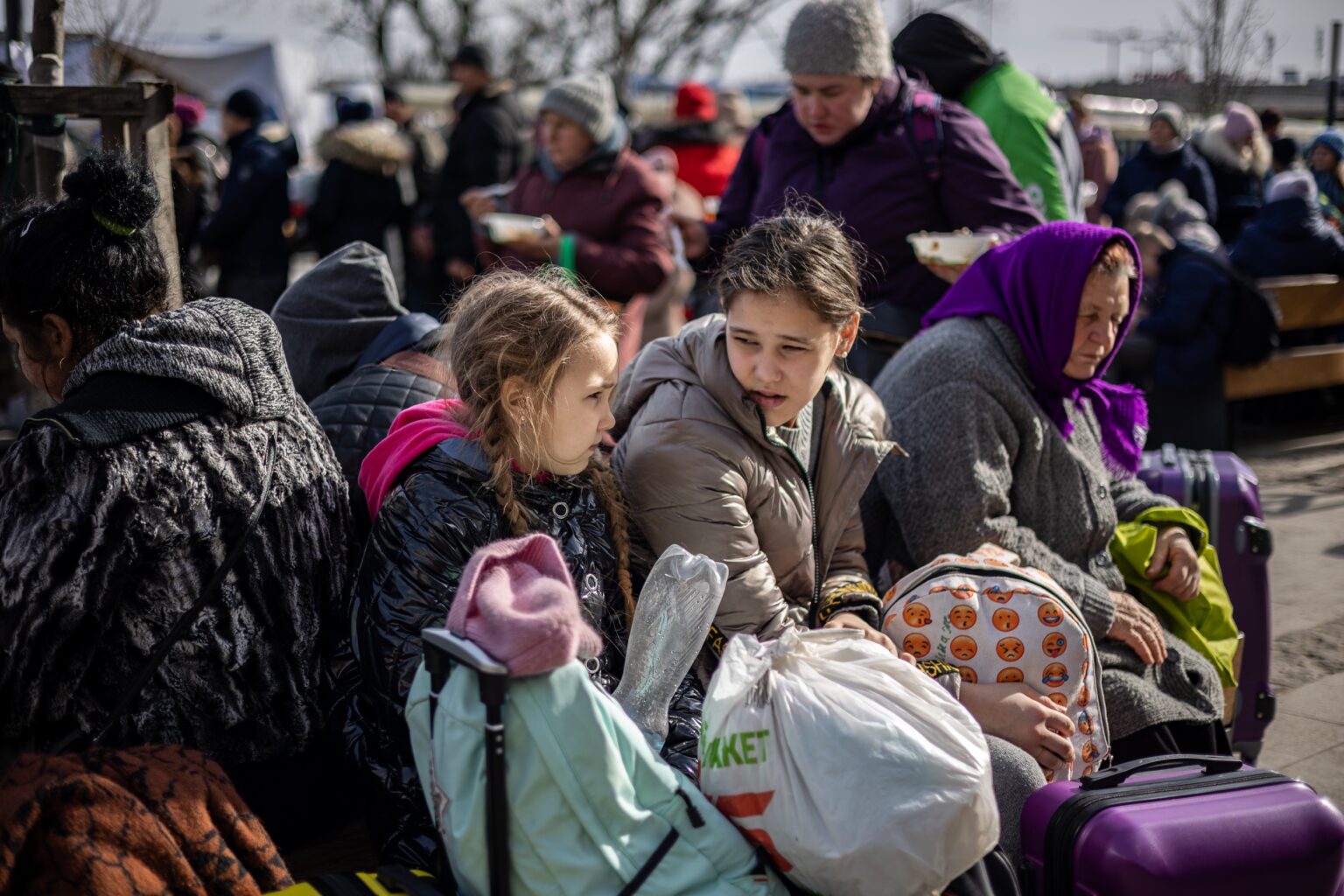 Every year the World Food Programme (WFP), Food and Agriculture Organization (FAO), International Fund for Agricultural Development (IFAD), and others release the State of Food Security and Nutrition in the World report. This report provides the best look into the overall picture of hunger around the globe. The most recent report is from 2025 and used data from 2024.
The 2025 report states that:
- Between 638 million and 720 million people faced hunger in 2024.
- This estimated 8.2 percent of the world’s population is slightly down from 8.7 percent in 2022 and 8.5 percent in 2023.
- 2.6 billion people are unable to afford a healthy diet.
Despite limited progress, the latest WFP “Hunger Hotspots” report states that the number of people worldwide facing severe acute malnutrition in food crisis territories and countries is 295.3 million – a number that has increased every year since 2019.
Driving Factors for Global Hunger
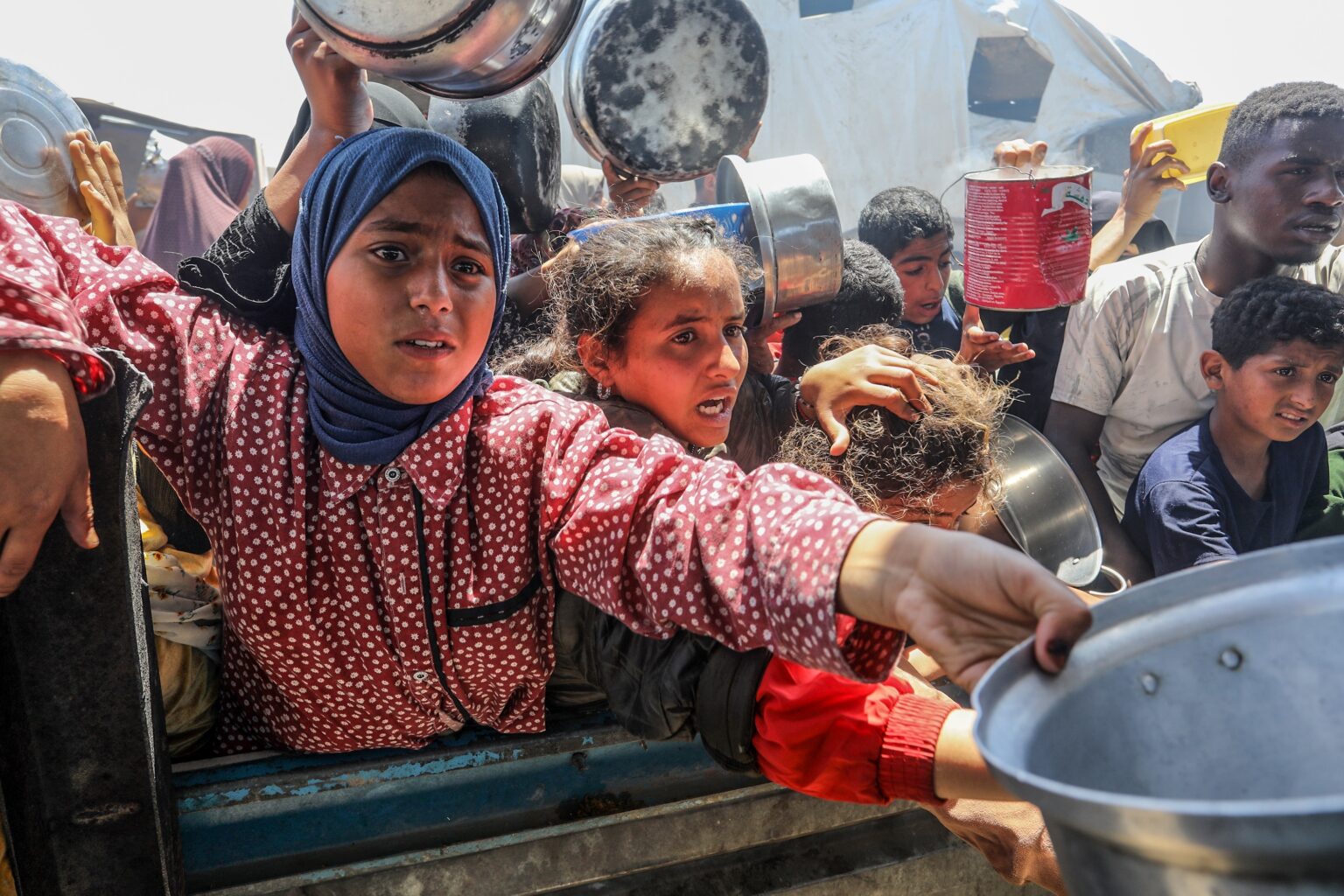 A wide array of factors contribute to food and nutrition insecurity around the world. However, three primary culprits are at the center of many of these issues: changes in climate and weather patterns, economic variability and uncertainty, and violent conflict.
- Changing Climate and Weather. Rising global temperatures have drastically impacted agricultural production. In recent decades droughts have become longer, floods have become more severe, and growing seasons – and even the types of crops grown in a region – have changed. Smallholder farmers produce a vast majority of food in low and middle-income countries, but are also disproportionately vulnerable to food insecurity themselves. These farmers are especially susceptible to fluctuations in growing conditions.
- Economic Variability. Lower-income people and countries are severely impacted by variations in both the global and local economies. For example, shocks to food and fuel prices stemming from geopolitical conflict or other global crises like the 2020 pandemic can disproportionately impact of families and communities struggling to get by. For example, the conflicts in Ukraine and Iran both impacted energy and farm input availability and prices. Fragile food systems are more susceptible to shocks caused by these external factors.
- Violent Conflict. War and other violent conflicts continue to be a major factor in driving food insecurity around the world. The current war in Sudan has led to famine, displacement, and the world’s biggest humanitarian disaster. Closer to home, Haiti is wracked by major gang conflict that has disrupted trade, agriculture, and humanitarian relief
The Alliance to End Hunger Response
 The Alliance and its coalition establish a list of legislative and non-legislative advocacy priorities every year. These priorities can be found on the Our Priorities page, along with a number of useful resources. These priorities are developed with consideration for the current political and food security environment, as well as the insights and capabilities of our unique membership.
The Alliance’s diverse membership allows our coalition to address hunger from a number of different perspectives and approaches. In addition to our advocacy activities, the Alliance has focused specifically in recent years on the nexus between food, nutrition, and health (such as the Power 4 nutrition interventions), as well as resilient agriculture to combat the driving factors of hunger listed above.