

 Hunger is experienced in every state, territory, city, town, and congressional district in the United States. While there are factors that differ in regions and communities, many of the root causes of hunger and food insecurity are the same.
Food Insecurity in the United States
Food insecurity is defined by the U.S. Department of Agriculture as the lack of access by all household members to enough food for an active, healthy life at all times. The main, direct cause of food insecurity is the lack of money and other resources to acquire nutritious foods.
Until 2025, USDA released a long running, nationally representative annual report on household food security. The final publication reports on 2024 data. The 2024 report found:
- 47.9 million people lived in food insecure households.
- This number reflects that 14.4 % of the population, or roughly 1 in 7 people in the U.S. lived in food insecure households.
- 14.1 million children lived in food insecure households.
 The data also helped us to understand who was most impacted by hunger and food insecurity. These households experience higher rates of food security than the U.S. average (13.7 percent):
- All households with children (18.4 percent)
- Households with children under age 6 (17.8 percent)
- Households with children headed by a single female (36.8 percent) and households headed by a single male (23.8 percent)
- Households with Black (24.4 percent) and Hispanic (20.2 percent) persons
- Households in principal cities (16.0 percent) and rural areas (15.9 percent)
Food insecurity negatively affects individuals and societies. Food insecurity along with poor nutrition contribute to poor physical and mental health, stress and anxiety, and family disturbances. Food security and proper nutrition can help people and families to achieve optimal child development, lower medical costs, increased productivity at work, and students’ ability to achieve their full potential at school.
Dealing with Food Insecurity
Individuals and families respond to food insecurity in multiple ways. In the short-term, many families may:
- consume diets with less variety;
- choose less expensive foods that may be less nutritious;
- obtain food assistance from pantries, soup kitchens, or other food helper organizations;
- grow food in home gardens, hunt, and/or fish;
- receive help with food from family & friends;
- participate in federal food and nutrition programs.
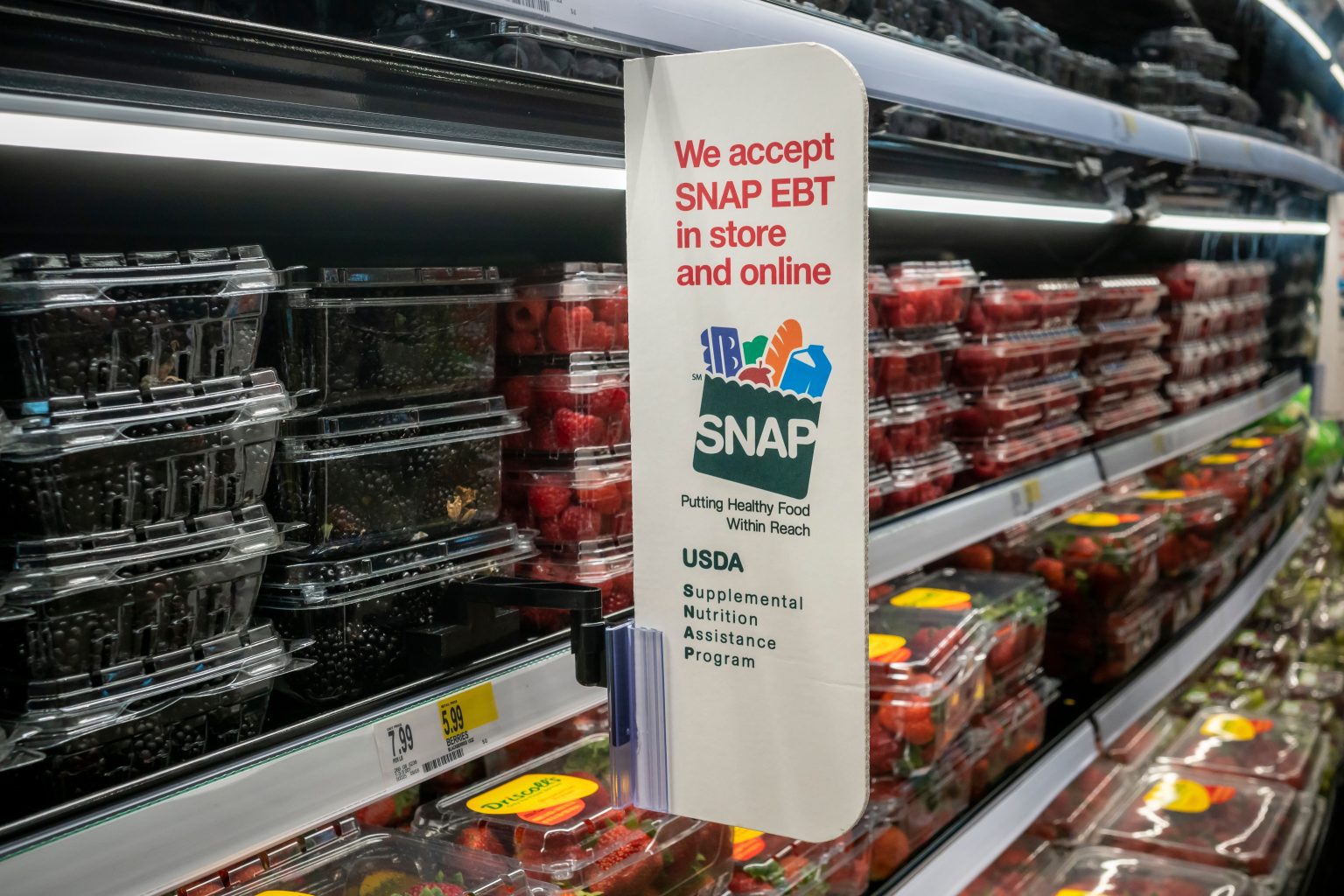 Building more resilient and sustainable food access and security is a result of personal means and abilities and the systemic environment. Individually, people may seek to pursue higher education, participate in job training, and work toward building savings and wealth. However, an individual’s ability to achieve food security may also be constrained by systemic barriers. Barriers include the lack of availability of living-wage jobs, safe and affordable childcare, affordable housing, and historically stubborn wealth gaps that occur by gender, race, and physical location.
The Alliance to End Hunger Response
The Alliance and its coalition members annually establish legislative and non-legislative advocacy priorities. These priorities, along with a number of useful resources, are found on the Our Priorities page. Priorities are developed with consideration for the current political and food security environment with the insights and capabilities of our unique membership.
 Key advocacy priorities focus on critical programs such as the Supplemental Nutrition Assistance Program (SNAP, formerly known as food stamps), the Special Supplemental Nutrition Program for Women, Infants and Children (WIC), senior nutrition, school meals, and other policies and programs.
In addition to our advocacy work, the Alliance to End Hunger has built a nationwide Hunger Free Communities Network™. This initiative supports broad-based, multi-sector coalitions in states and communities that share the commitment to ending hunger in a generation. The Alliance holds an annual virtual summit and regular regional and state convenings that bring together hundreds of activists, organizations, and community leaders to share ideas and action plans to address local hunger issues.