
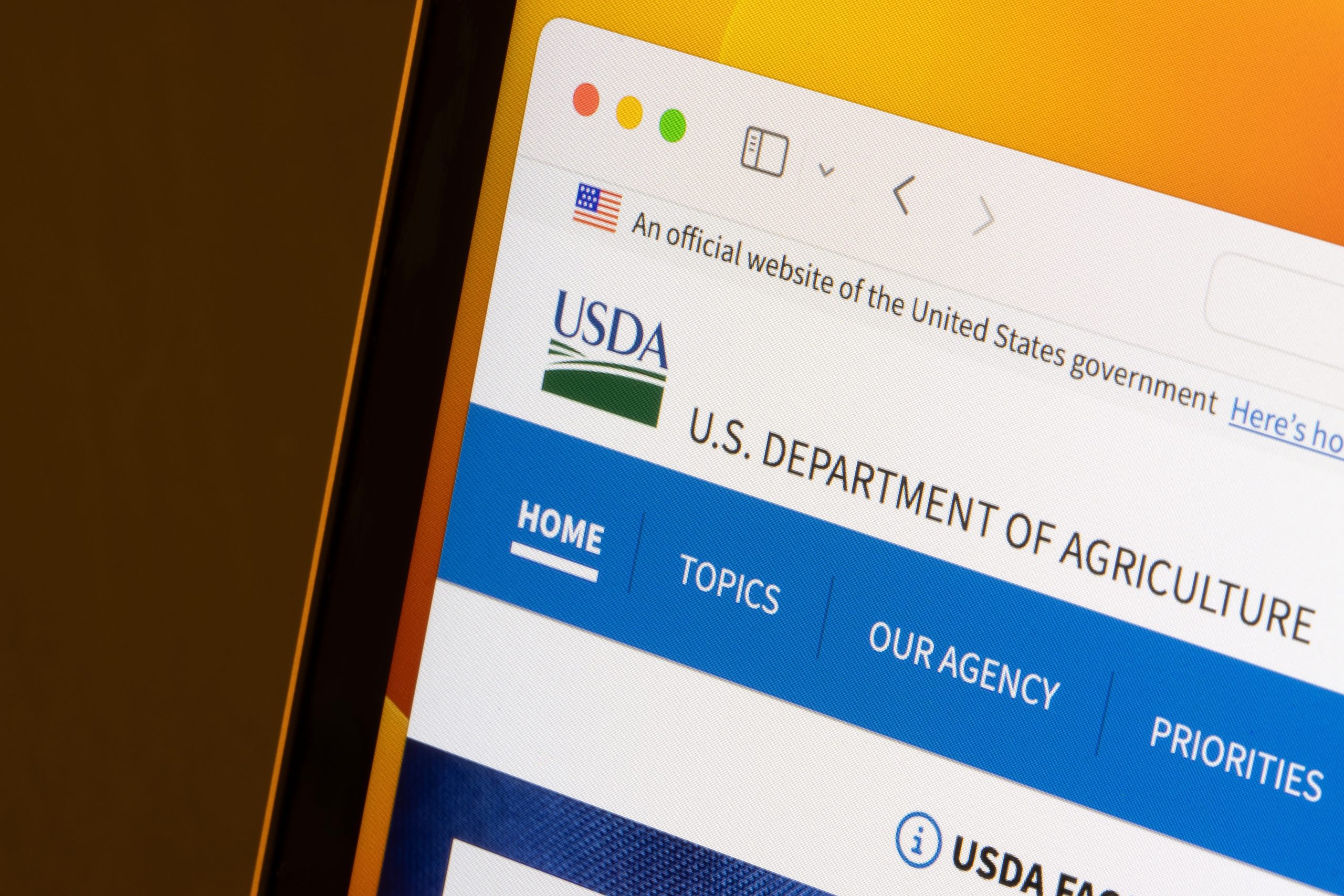
On December 30, quietly and months late, the U.S. Department of Agriculture released what may be the final Household Food Security in the United States report. For the past 30 years, this report has given agencies, food banks, community organizations, and advocacy groups an eye on the state of hunger in our nation. It has helped policymakers understand what policies and programs are working, and critically, how they adapted to challenging times. In September 2025, USDA announced they would be discontinuing the publication following the 2024 report’s release.

The latest and perhaps final publication is based on data collected in 2024. Food insecurity was reported in households where nearly 48 million people lived, or 13.7 percent of households, which is similar to the 2023 rate of 13.5 percent. Unfortunately similar to previous years, households with children experienced food insecurity at a higher rate (18.4 percent) than those without children, with over 14 million children living in food-insecure households. Food insecurity, while steady compared to the previous year, is higher than it was just a few years ago, and is being experienced by people at levels as high as or higher than at any point in the past decade. Hunger is not experienced equally by all in our nation; and it is troubling that hunger continues to impact some households at much higher levels. Over a third of households headed by single mothers experienced food insecurity (36.8 percent), and those headed by people who identify as Black (24.4 percent) and Hispanic (20.2 percent) were over twice as likely to experience food insecurity as households headed by those who identify as white (10.1 percent).
In addition to helping to understand the number of people impacted by hunger, the report also lets us track trends in the data that help organizations and policymakers adjust and improve food and nutrition policy. For example, the report shows that while food security rates remained relatively flat over 2024 and 2023, we can see how hunger increased while our nation emerged from the COVID pandemic  between 2021 and 2022. The annual report showed that the U.S. responses to the challenges to our food systems and household income kept millions of people from experiencing food insecurity, even as the economy froze and daily life came to a standstill. Changes that brought SNAP benefits to more adequate levels, allowed people to complete more of their SNAP and WIC accountability and participation online, and enhanced the Child Tax Credit ensured that Americans did not go hungry during one of the most trying times in the last century. USDA’s annual publication showed that the changes worked and can serve as a model for the future should another large shock hit our nation.
The absence of an annual report will lead to an unfortunate lack of data following significant changes to federal nutrition programs in the United States. The 2025 passage of the One Big Beautiful Bill Act cut funding for SNAP by $187 billion over 10 years and fundamentally changed benefit funding and eligibility. Additionally, drastic changes to economic, immigration, health, and other policies will likely have a cumulative negative impact on food security. Without annual national comparable reporting, there will not be a clear view of how policies have (or do not have) an impact on hunger in America.
Hunger impacts every state, town, city, county, and congressional district. No policymaker wants to see hunger in their community, and everyone should be troubled when that picture of how people are experiencing hunger gets muddied or is removed from view.
The Alliance to End Hunger urges USDA to reconsider its decision to discontinue the annual household food security report. Reinstating the report will help communities, organizations, and policymakers better understand hunger in the country, and react judiciously and effectively to changes, trends, and emergencies.