

Eric Mitchell, President, Alliance to End Hunger
As America prepares to celebrate its 250th anniversary, we have an opportunity to do more than commemorate our nation’s founding. We have an opportunity to reflect honestly on where we’ve been, where we are today, and what kind of country we want to become.
For nearly two and a half centuries, America has been a mosaic of cultures, traditions, and experiences woven together into a story defined by hope, opportunity, and the enduring pursuit of freedom. That story has inspired millions around the world.
But freedom was never simply given. It was earned.

It was earned by the approximately 100,000 enslaved men, women, and children who risked everything to escape bondage and later fought for that freedom during the Civil War. It was advanced by generations of Americans who marched, organized, voted, and, in some cases, made the ultimate sacrifice with their lives so that others could enjoy the rights promised by our Constitution.
Our nation’s progress has always depended on ordinary people doing extraordinary things. Every generation has been called to confront injustice, and every lasting step forward has required citizens willing to speak up, organize, and act.
That civic responsibility remains just as important today.
As we celebrate America, we should remember that meaningful change rarely begins in the halls of Congress. It begins in neighborhoods, on farms, in schools, in places of worship, and around kitchen tables. It begins when neighbors decide they will no longer accept injustice as inevitable.
The fight to end hunger is no different.
Throughout our history, Americans have repeatedly stepped forward to ensure that everyone has the opportunity not simply to survive, but to thrive.
 Civil rights leader Fannie Lou Hamer understood that food security and economic justice were inseparable when she established the Freedom Farm Cooperative in Mississippi, to ensure that land was accessible to black farmers and provide a source of food and employment for marginalized communities in the Delta. Around the same time, the Black Panther Party launched its Free Breakfast for School Children Program, demonstrating the power of community-led solutions that ultimately inspired the expansion of federal school breakfast programs across the country.
These efforts remind us that some of America’s greatest policy advances have grown from local action.
Today, that same spirit lives on in communities across the country. Local leaders, food banks, farmers, nonprofits, businesses, educators, and volunteers continue finding innovative ways to address hunger while building healthier and more resilient communities.
Yet history also teaches us where unfinished work remains.
One of the clearest indicators of inequality is who goes hungry. Millions of Americans continue to experience food insecurity, and the burden falls disproportionately on children, seniors, working families, rural communities, and communities of color. Hunger is not simply the absence of food – it is often the consequence of deeper inequities that have persisted for generations.
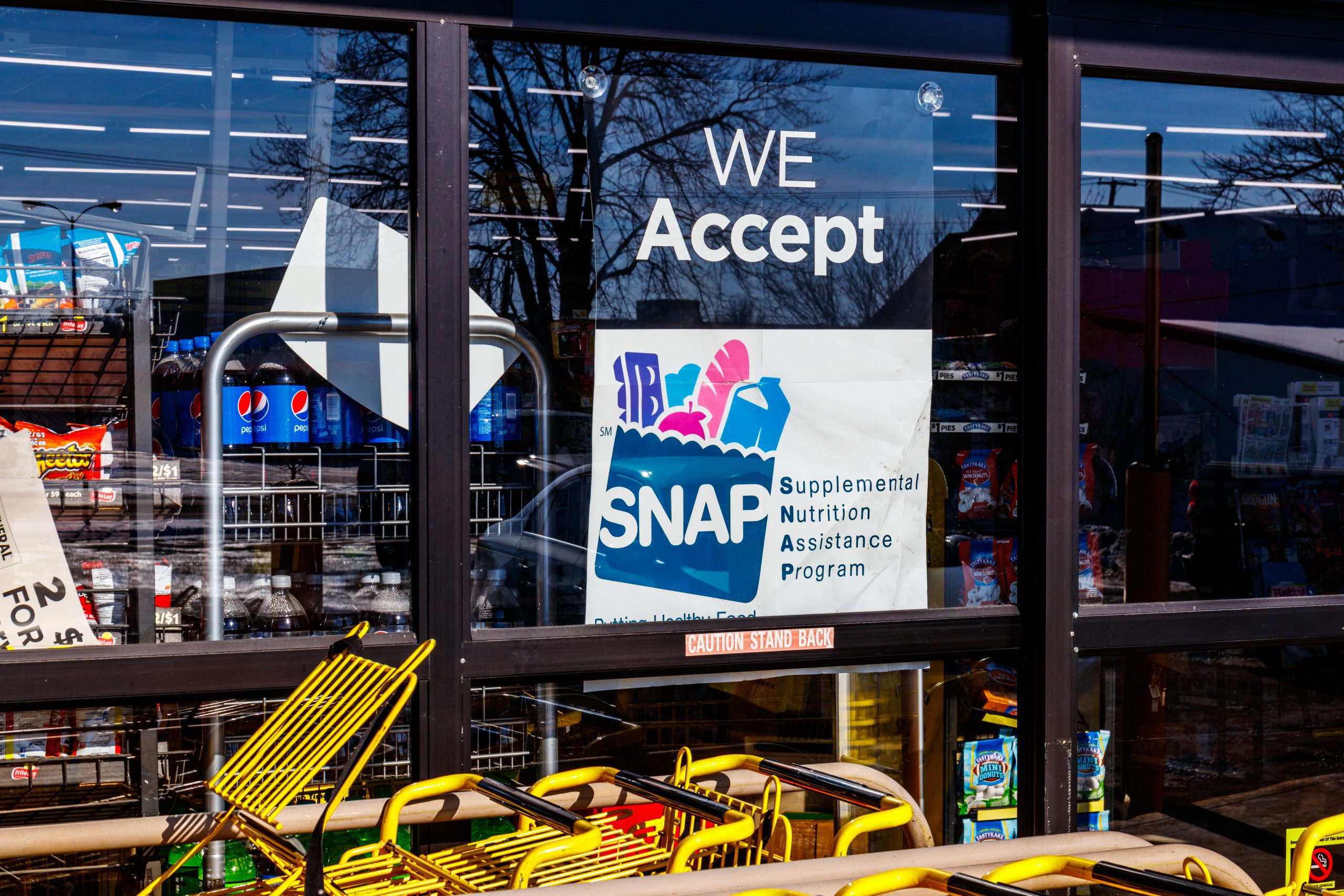
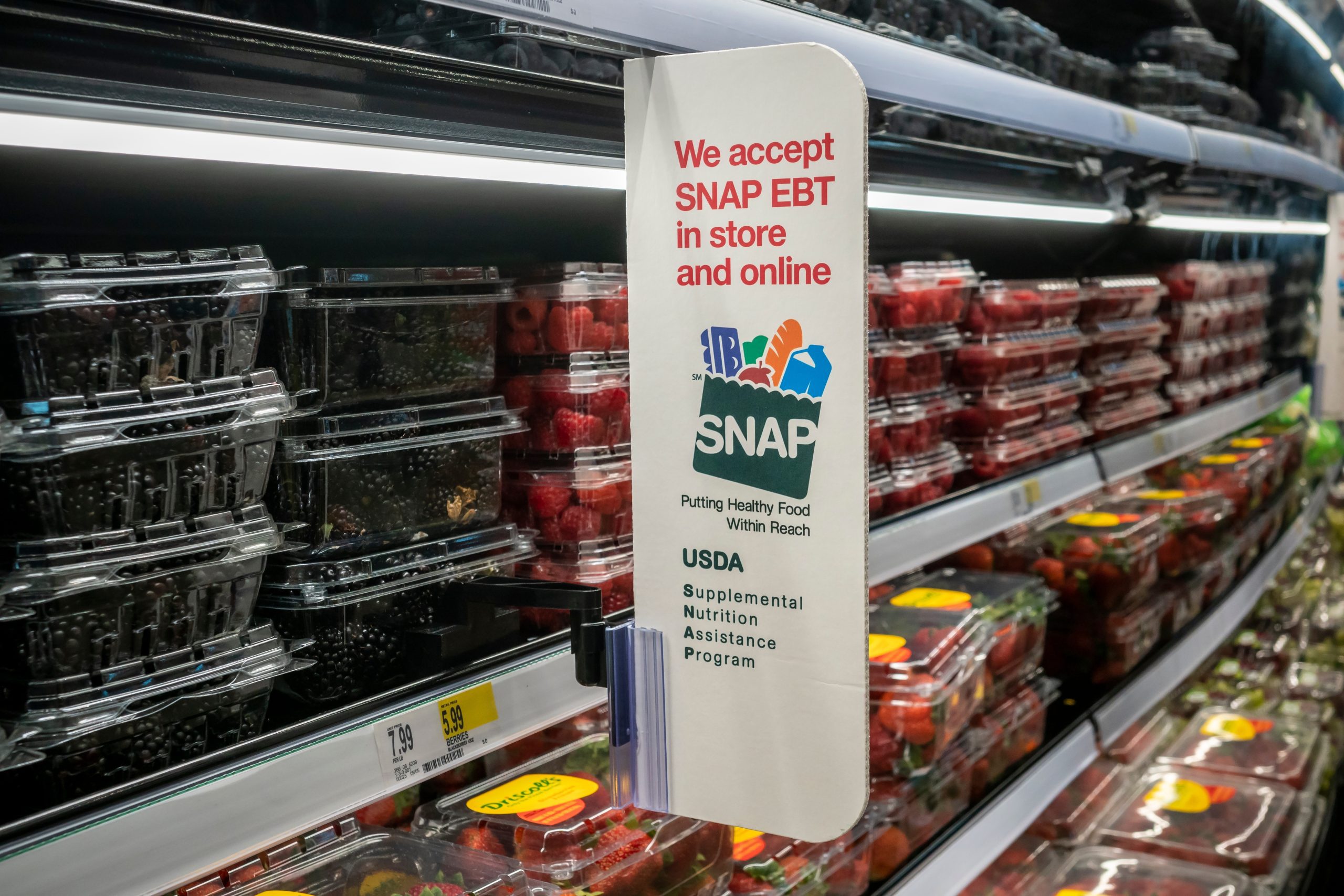
 This year’s Independence Day also marks the anniversary of legislation that dramatically reduced investments in the Supplemental Nutrition Assistance Program (SNAP), our nation’s largest anti-hunger program. These cuts are already forcing states and local communities to shoulder greater responsibility while millions of families face increased uncertainty about how they will put food on the table. Hunger is no longer someone else’s problem. It affects every ZIP code, every congressional district, and every community across America.
But this is not a moment for despair.
America has overcome enormous challenges over the years because people chose action over complacency. Our strength has never come solely from government institutions. It has come from communities working together, businesses investing in solutions, faith leaders mobilizing volunteers, farmers feeding their neighbors, and citizens refusing to accept injustice as permanent.
Rev. Martin Luther King Jr. often reminded us that “the arc of the moral universe is long, but it bends toward justice.” Yet history shows that the arc does not bend by itself. It bends because people pull it toward justice through persistence, courage, and collective action.
That is the enduring promise of America.
Our greatness is not measured by perfection but by our willingness to confront our shortcomings and work together to build something better. Ending hunger is not beyond our reach. We produce enough food. We possess the innovation, resources, and compassion necessary to ensure every person has access to nutritious food. What remains is the collective will to make it happen.
 As we celebrate 250 years of American history, let us honor those who came before us not only with words, but with action.
Let us build communities where no child wonders where their next meal will come from.
Let us strengthen the partnerships that unite nonprofits, businesses, government, farmers, and local leaders around a shared purpose.
And let us recommit ourselves to creating a nation where freedom includes the dignity and security of having enough to eat.
If previous generations could expand the promise of America despite extraordinary obstacles, then surely ours can end hunger.
That is a legacy worthy of America’s next 250 years.